





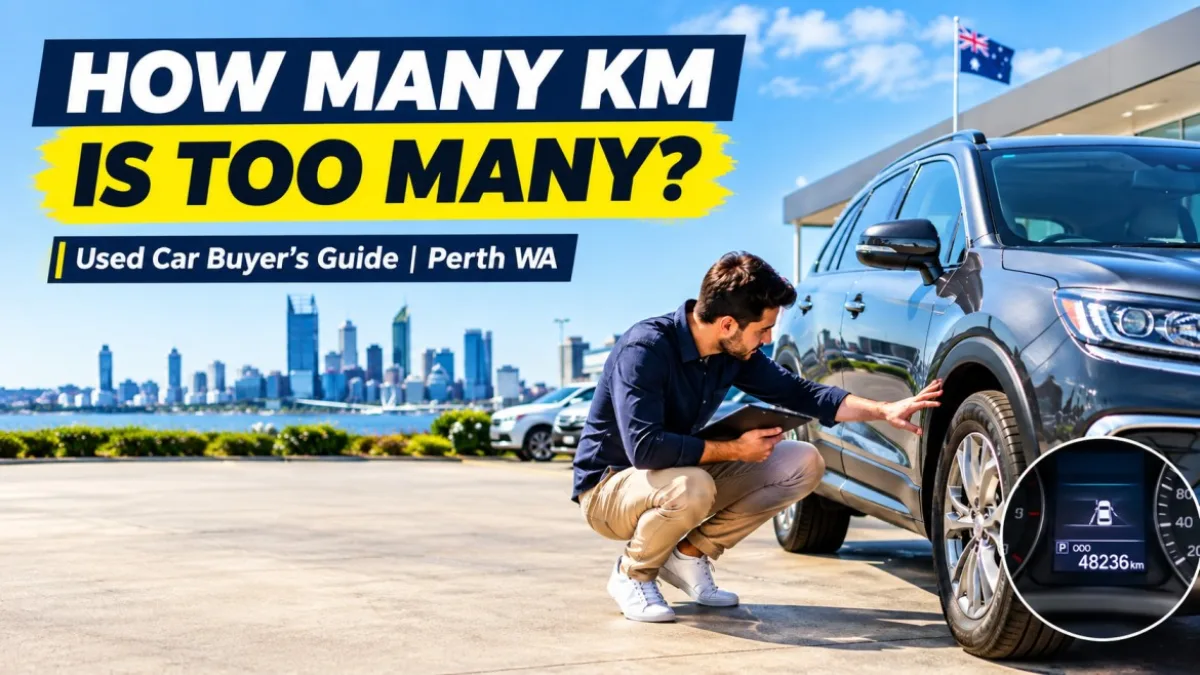
How Many Kilometres Is Too Many For A Used Car? A Perth Buyer’s Guide
- Admin
- 28/09/2026
- 30 Viewed
How Many Kilometres Is Too Many for a Used Car?
When buying a used car, one of the first things many buyers check is the odometer.
But is there a specific number of kilometres that means a car has travelled too much?
Not necessarily.
Mileage is an important factor when choosing a used vehicle, but it should be considered together with the vehicle's age, service history, mechanical condition, previous use and overall value.
A well-maintained vehicle with higher kilometres may still be worth considering, while a low-kilometre vehicle with poor maintenance history may require closer inspection.
If you're searching for a used car in Perth, here are some important things to consider before making a purchase.
What Does Mileage Tell You About a Used Car?
The odometer shows how far a vehicle has travelled during its lifetime.
Higher mileage generally means the vehicle has had more use, but mileage alone doesn't tell you everything about the condition of the car.
For example, a vehicle that has been regularly serviced and driven carefully may remain in good condition despite having travelled many kilometres.
When assessing a used car, consider:
- The vehicle's age
- Current kilometres
- Service history
- Number of previous owners
- Driving conditions
- Mechanical condition
- Tyre and brake condition
- Overall interior and exterior condition
- Vehicle history
- Asking price
Looking at these factors together gives you a better understanding of the vehicle than mileage alone.
Is High Mileage Always a Problem?
High mileage isn't automatically a reason to reject a used car.
Some vehicles are built to handle many years of regular use, provided they have been properly maintained.
The important question is not simply:
"How many kilometres has this car travelled?"
Instead, ask:
"How has this car been maintained during those kilometres?"
A vehicle with consistent servicing, good documentation and evidence of proper maintenance may deserve further consideration.
On the other hand, missing service records, unusual noises, warning lights or signs of excessive wear may require further investigation regardless of the odometer reading.
Check the Service History
Service history is one of the most useful pieces of information when evaluating a used car.
Ask whether service records are available and review them carefully.
Depending on the vehicle, you may want to look for evidence of:
- Regular engine oil changes
- Filter replacements
- Brake maintenance
- Tyre replacement
- Battery replacement
- Major scheduled servicing
- Timing belt maintenance where applicable
- Transmission servicing where recommended
- Manufacturer-recommended maintenance
A consistent service history can help you understand how the vehicle has been looked after.
Consider the Vehicle's Age
Mileage should also be considered in relation to the vehicle's age.
For example, two vehicles may have similar kilometres but be several years apart in age.
Likewise, an older vehicle with relatively low mileage may still require attention to components that can deteriorate with age.
When comparing vehicles, look at the complete picture rather than using one mileage figure as the deciding factor.
How Was the Vehicle Used?
The type of driving a vehicle experienced can also be important.
A car used primarily for long-distance highway driving may experience different types of wear compared with a vehicle that spent most of its time in heavy stop-start traffic.
Where possible, ask about the vehicle's previous use.
It may have been used for:
- Daily commuting
- Highway driving
- Family transportation
- Business use
- Short city trips
- Long-distance travel
- Towing or carrying loads
Understanding previous use can provide additional context when evaluating the vehicle.
Inspect the Tyres and Brakes
Don't focus only on the odometer.
The condition of consumable and wear-related components can tell you more about the vehicle's current state.
Tyres
Check for:
- Uneven tread wear
- Low tread depth
- Cracks or visible damage
- Different tyre brands or sizes
- Signs of alignment issues
Brakes
During the inspection and test drive, pay attention to:
- Unusual brake noises
- Vibration when braking
- Brake pedal feel
- Warning lights
If you're unsure about the condition of these components, consider having the vehicle inspected by a qualified professional.
Pay Attention to the Engine and Transmission
The engine and transmission are important parts of any used vehicle inspection.
During the test drive, listen for unusual noises and pay attention to how the vehicle starts, accelerates and changes gears.
Look for signs such as:
- Warning lights on the dashboard
- Unusual engine noises
- Excessive smoke
- Fluid leaks
- Rough idling
- Hesitation
- Unusual gear changes
Any concerns should be investigated before completing the purchase.
Take the Car for a Proper Test Drive
A test drive can help you identify issues that may not be obvious when the vehicle is parked.
Try to experience different driving conditions where possible.
Pay attention to:
- Starting
- Acceleration
- Braking
- Steering
- Gear changes
- Suspension
- Engine noise
- Road noise
- Air conditioning
- Dashboard warning lights
If something doesn't feel normal, ask questions and investigate further.
Check the Vehicle History
Before buying a used vehicle, review the available vehicle information and documentation.
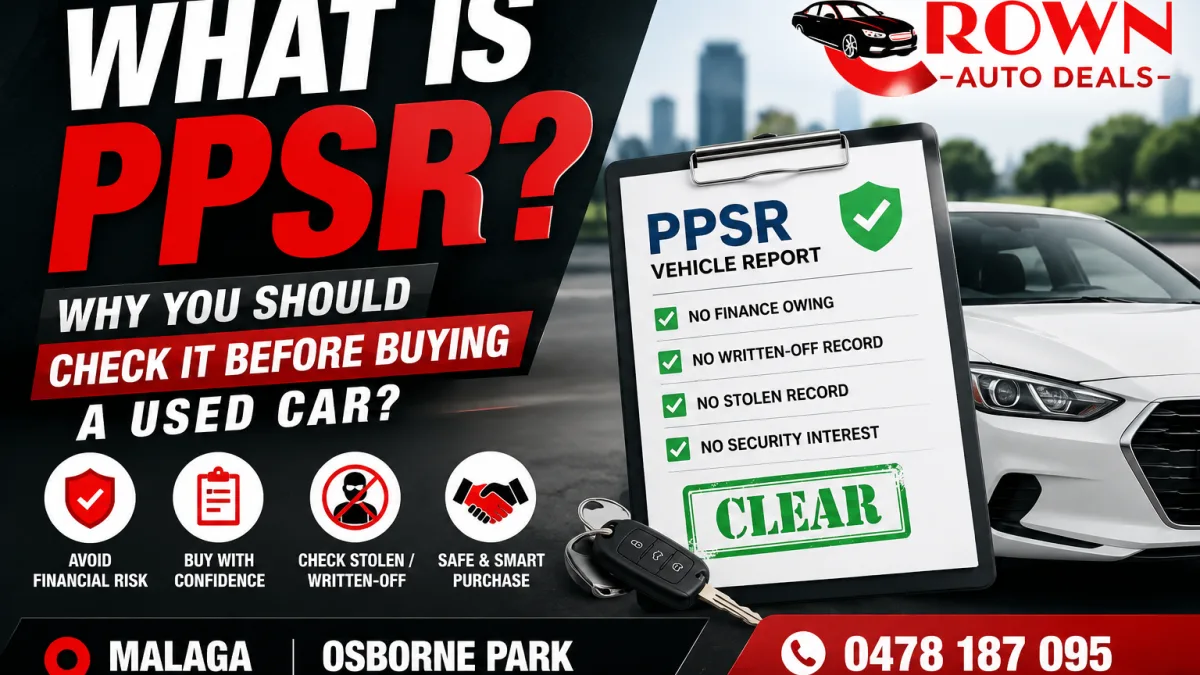
A PPSR check can also provide important information recorded against a vehicle.
Make sure the vehicle identification details match the documentation provided and investigate anything that doesn't appear consistent.
You can learn more about PPSR checks in our guide:
What Is PPSR? Why You Should Check Before Buying a Used Car
Don't Judge a Car by Mileage Alone
Mileage is useful, but it should never be viewed in isolation.
When comparing used vehicles, consider:
Mileage + Service History + Condition + Vehicle History + Age + Price
This approach can help you make a more informed decision.
A vehicle with more kilometres may have a strong maintenance history, while another vehicle with fewer kilometres may require additional investigation.
The condition and history of the individual vehicle matter.
Questions to Ask Before Buying a Used Car
Before making a decision, consider asking the seller:
- Is the service history available?
- Has the vehicle had regular maintenance?
- How was the vehicle previously used?
- Are there any known mechanical issues?
- When was the last service completed?
- Are the tyres and brakes in good condition?
- Is the vehicle's documentation available?
- Can I take the vehicle for a test drive?
- Can I arrange an independent inspection?
- Can I complete a PPSR check?
Getting clear answers to these questions can help you better understand the vehicle before purchasing.
Buying a Used Car in Perth?
Finding the right used car is about more than simply choosing the vehicle with the lowest kilometres.
Take time to compare vehicles, review their service history, inspect their condition and complete a proper test drive.
If you're looking for used cars in Perth, visit Crown Auto Deals at 1/173 Camboon Rd, Malaga WA 6090.
Our team can help you explore available used vehicles and provide information about the vehicles available for purchase.
Final Checklist
Before buying a used car, remember to check:
- ✓ Odometer reading
- ✓ Service history
- ✓ Vehicle age
- ✓ Previous use
- ✓ Tyres
- ✓ Brakes
- ✓ Engine
- ✓ Transmission
- ✓ Suspension
- ✓ Vehicle history
- ✓ PPSR
- ✓ Test drive
- ✓ Overall condition
- ✓ Price compared with similar vehicles
Looking for a used car in Perth? Visit Crown Auto Deals at 1/173 Camboon Rd, Malaga WA 6090 and explore our available vehicles.